The Japanese yen slid to its weakest level against the US dollar in roughly 40 years this week, with USD/JPY approaching 164 on Tuesday after touching fresh multi-decade highs last week. The move has put traders on edge ahead of the Bank of Japan's policy meeting on July 31, reviving memories of the carry-trade unwind that rattled crypto markets in August 2024.
The BOJ's benchmark interest rate currently sits at 1.0%, its highest level since September 1995, after a rate increase enacted in June 2026. Despite that hike, the yen has continued to weaken as the gap between Japanese and US borrowing costs remains wide enough to keep the currency attractive for funding trades elsewhere.
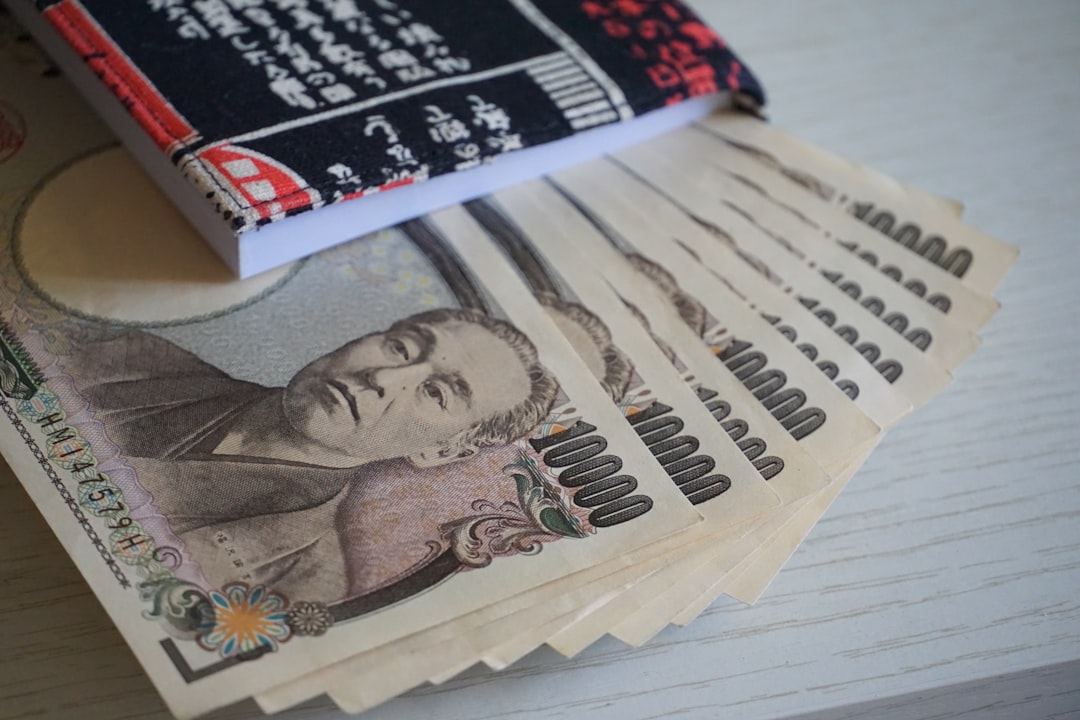
Why traders are watching the carry trade again
Japan's combination of low rates and minimal capital controls has long made the yen the world's dominant funding currency outside the dollar. Investors borrow cheaply in yen and deploy the proceeds into higher-yielding assets abroad, including crypto. That trade can unwind violently when either leg of the equation shifts.
"That trade only works if two conditions remain intact. Japanese interest rates remain exceptionally low. The yen remains broadly stable or continues depreciating," said analyst Ricky Ho.
Ho added that markets may be focused on the wrong variable entirely, noting that "investors remain too focused on whether the BOJ hikes in September, October or December" rather than on the currency-stability side of the equation. Prediction platform Polymarket currently prices in a 98-99% probability that the BOJ holds rates steady at Friday's meeting, leaving the yen's trajectory as the more immediate risk factor for leveraged positions.
What a repeat of August 2024 could mean
The precedent traders are watching closely is August 2024, when a sudden yen appreciation triggered a rapid unwinding of carry-trade positions, forcing leveraged funds to liquidate assets across markets, including Bitcoin and altcoins, in a short and sharp selloff. Analysts note that a similar dynamic could resurface if the yen were to snap back toward its key support level of 160 against the dollar rather than continuing to depreciate.
Japanese inflation has been trending higher since 2022, with consumer price index growth now approaching the BOJ's 2% target, adding pressure on the central bank to eventually tighten further even as it moves cautiously to avoid destabilizing currency markets.
Crypto markets hold gains for now
Major cryptocurrencies were broadly higher at the time of writing, with Bitcoin changing hands near $63,455, up 2.37%, and Ether trading around $1,890, up 3.36%. Solana, XRP, Cardano, BNB, Chainlink and Dogecoin all posted gains in the mid-single digits, suggesting risk appetite has not yet been dented by the yen's slide. Whether that holds through Friday's BOJ decision, and beyond, may depend less on the central bank's rate call than on where the yen itself heads next.
The market has good reason to be nervous: on August 5, 2024, a surprise Bank of Japan rate hike triggered a yen carry-trade unwind that crashed Bitcoin from roughly $64,000 to $49,000 in just 48 hours. The mechanism is straightforward but violent when it reverses — investors borrow yen at Japan's ultra-low rates and invest the proceeds in higher-yielding assets elsewhere, including Bitcoin; when the BOJ signals tighter policy, that trade unwinds fast, forcing sales across asset classes to repay yen-denominated loans regardless of what's actually happening with crypto-specific fundamentals.
FAQ
Has a yen carry-trade unwind actually crashed Bitcoin before?
Yes — on August 5, 2024, a surprise BOJ rate hike triggered exactly this dynamic, sending Bitcoin from about $64,000 to $49,000 within 48 hours.
Why would Japanese interest rate policy affect Bitcoin at all?
Investors borrow cheap yen to fund positions in higher-yielding assets like Bitcoin; when the BOJ raises rates, that borrowing becomes more expensive, forcing a wave of asset sales to repay yen loans that has nothing to do with crypto's own fundamentals.
Source: Cointelegraph
Related: Bitcoin Crashes Below $77K as Warsh's Hawkish Jackson Hole Speech Roils Markets